tato.

Tato-003 · Case Study · Mobile Game · 2025

Designing the systems layer
of Pet Time

A cozy mobile game about exploring, collecting, crafting, and raising pets — hatched from eggs, caught while exploring the different biomes. This is a small sample from early concept UI screens, still very much a work in progress.

Role: UX/UI Designer Tool: Figma Tool: Unreal Engine Year: 2025
↓ Begin the tour
—

Overview

Pet Time is a cozy mobile collector: hatch pets from eggs, catch them in the wild, grow crops on a farm to feed them, and level them up. There's also collectible gear for your character. The challenge was making all systems feel like one cohesive thing.

I.

HUD

The world HUD keeps few things on screen at once: character level, backpack (inventory), and the support screens (settings, login, etc.). Activities and other interactions nearby are shown dynamically when you get closer. A guided onboarding pass walks new players through each shortcut the first time it appears, instead of front-loading a tutorial before they can move.
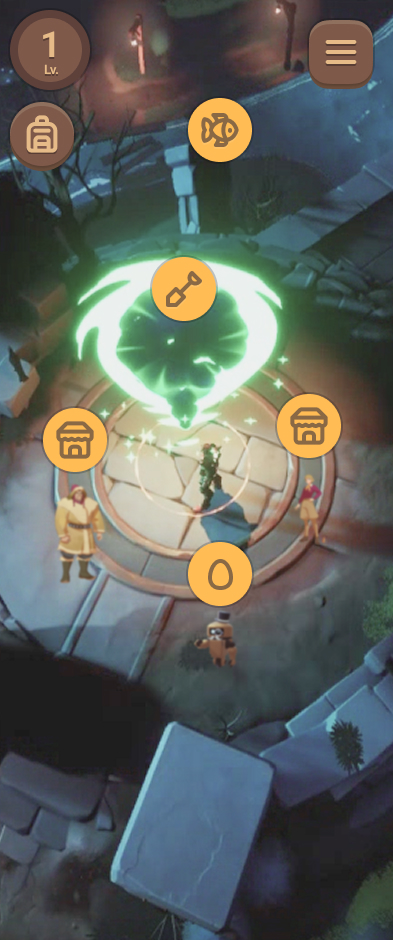
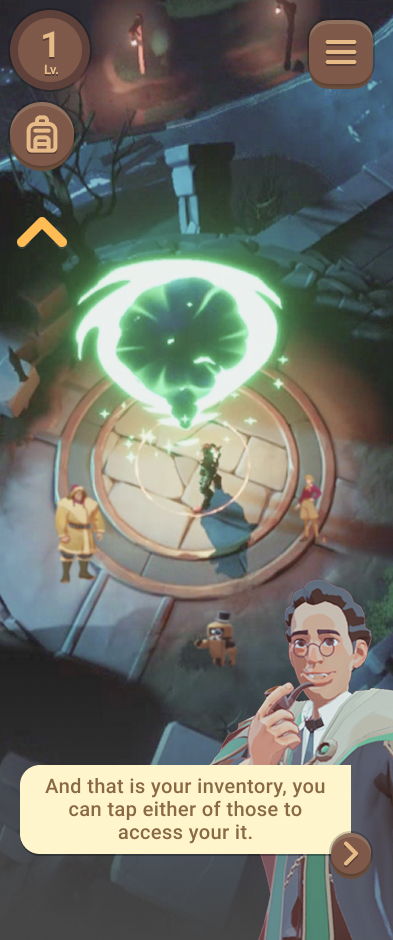
Mobile world HUD with level badge, backpack, support screen shortcuts, and a glowing central portal Tutorial dialog box with a character explaining the inventory shortcut

II.

Inventory & Collection

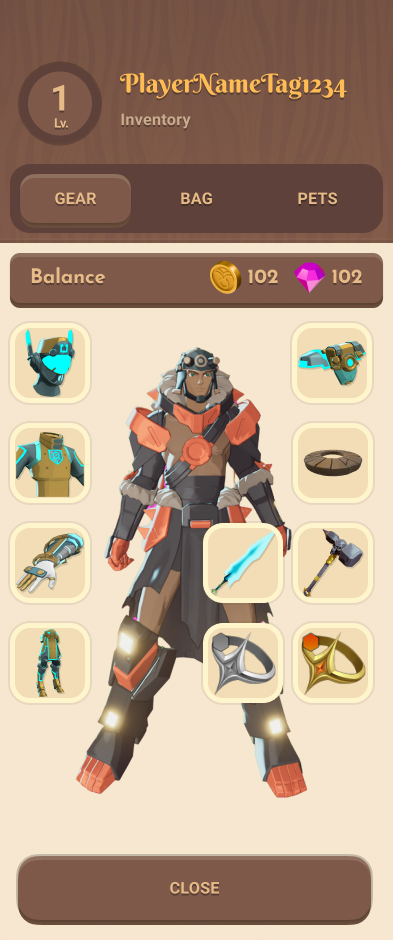
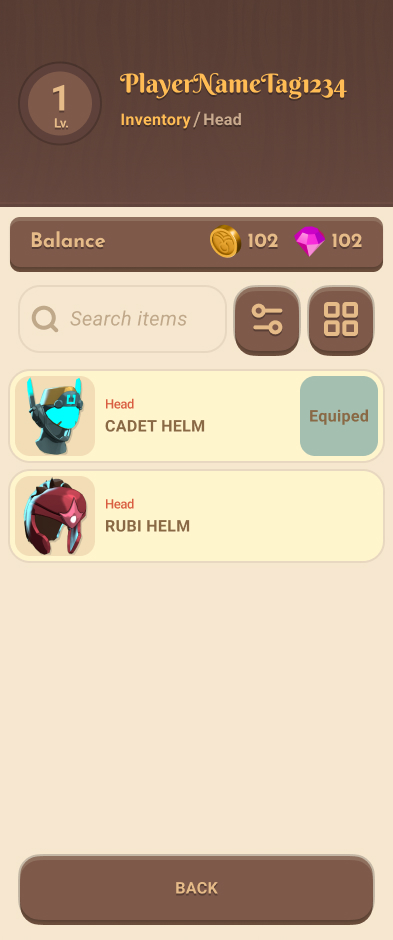
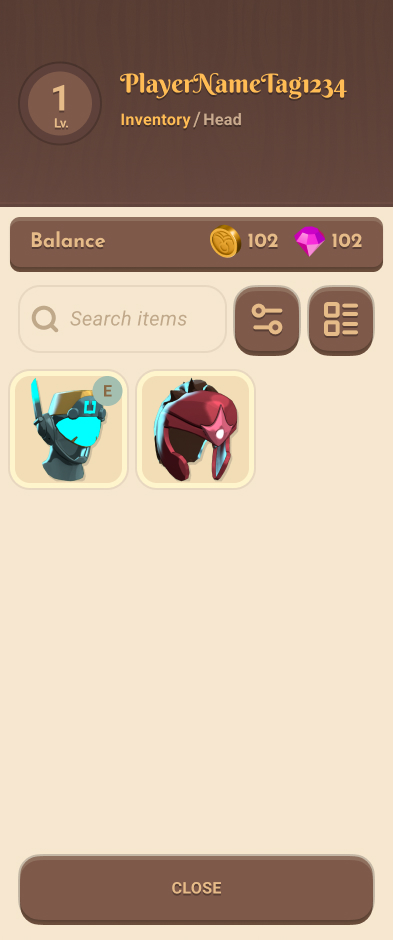
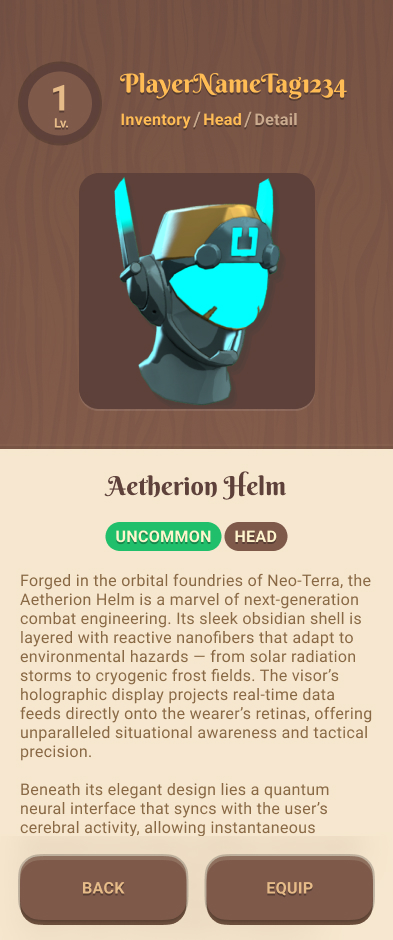
One inventory hub, three tabs — Gear, Bag, Pets — sharing the same balance bar, search field, and grid/list toggle. Every detail screen underneath, whether it's a pet or a chestpiece, reuses the same rarity badge, type tags, and description block. Learn one screen and you'll learn them all.

Equipment paperdoll with head, chest, gloves, legs, shoulders, weapon, and two ring slots

Equip loadout

Head armor list with Cadet Helm equipped and Rubi Helm available Head armor grid view with two helmets Head armor detail screen

III.

Farming & Incubator

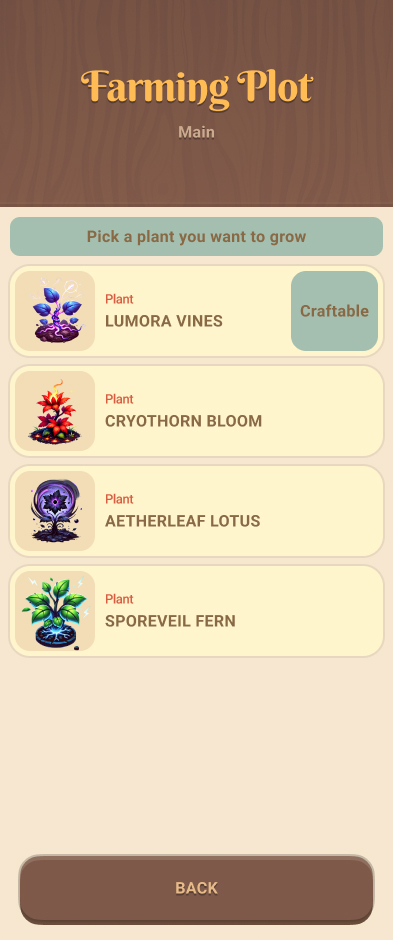
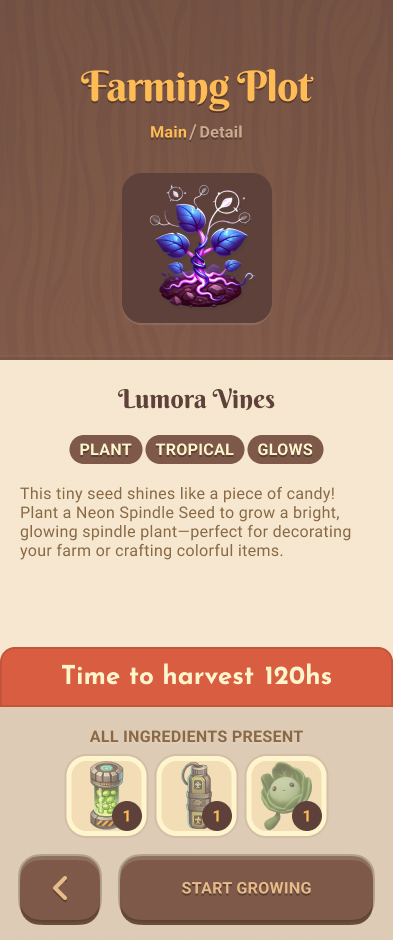
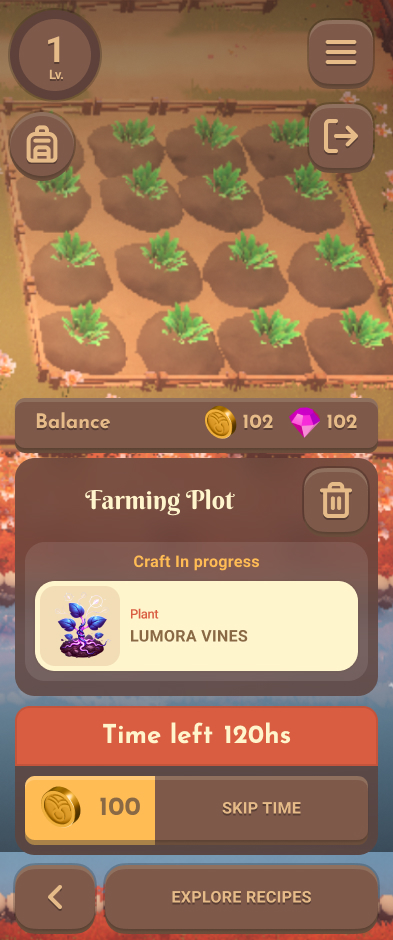
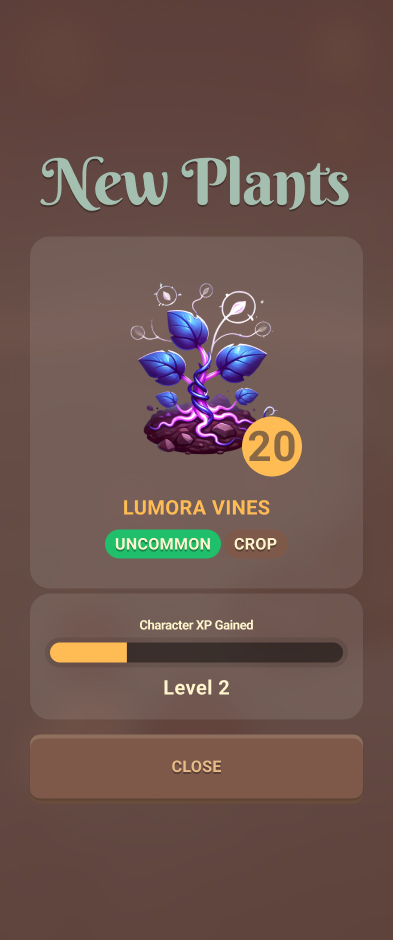
Farming and the Incubator, and other crafting systems in the game share one pick → commit → wait → collect loop, just skinned two ways: plant a crop or set an egg incubating, let a real-time timer run (or spend currency to skip it), then open a reward card for the crop, creature, and XP you earned. Hatch odds are shown up front, so crafting is a calculated bet, not a blind one.

Plant picker listing four plants, one marked as craftable Plant detail screen with description, harvest time, and an ingredients checklist before starting Farming plot overview with a craft-in-progress panel showing time left and a skip-time option New Plants reward card showing the harvested crop, its rarity, and character XP gained

IV.

Fishing (early concept)

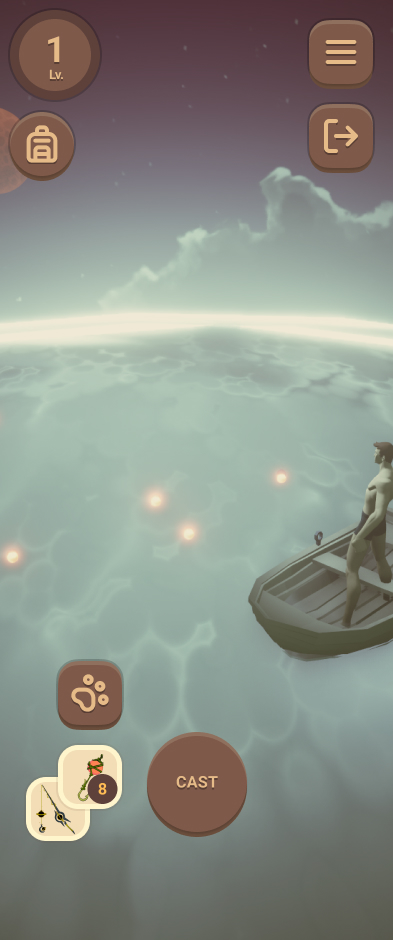
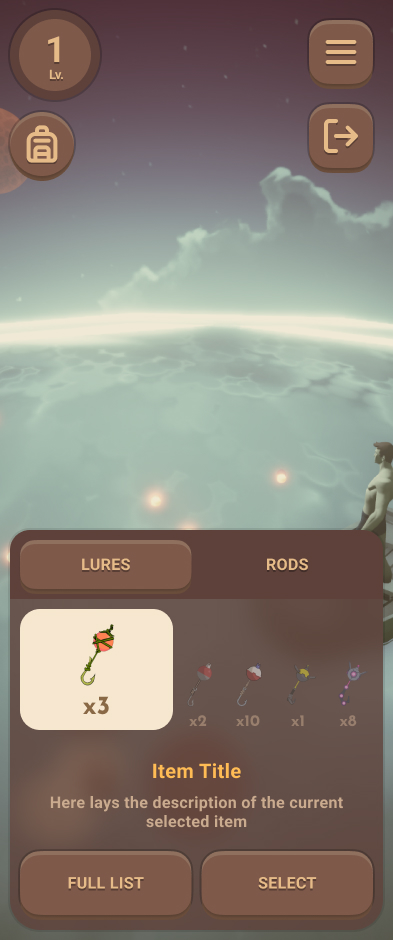
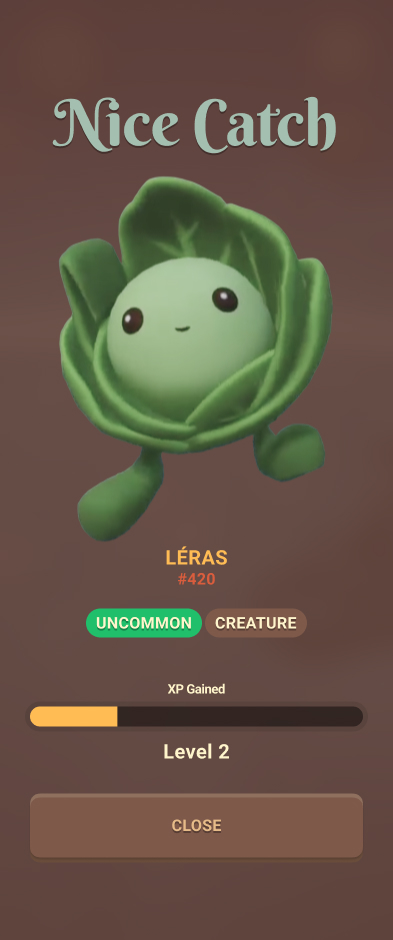
Fishing trades the farm's time-gated wait for an active, one-tap moment: pick a lure, cast, and the catch resolves into the same reward card as everything else — just with a pet instead of a crop. This is an oversimplified fishing interaction, no line tension or fish struggling added to the equation by request.

Fishing scene from a boat with lure and rod shortcuts above a single Cast button Lure picker with quantity counts and a selected item preview Nice Catch reward card showing a caught pet, its rarity, and XP gained

V.

Shop & Currencies

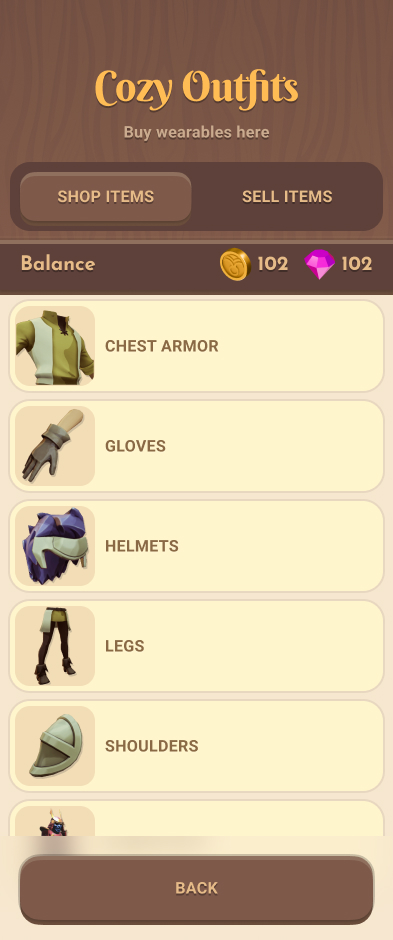
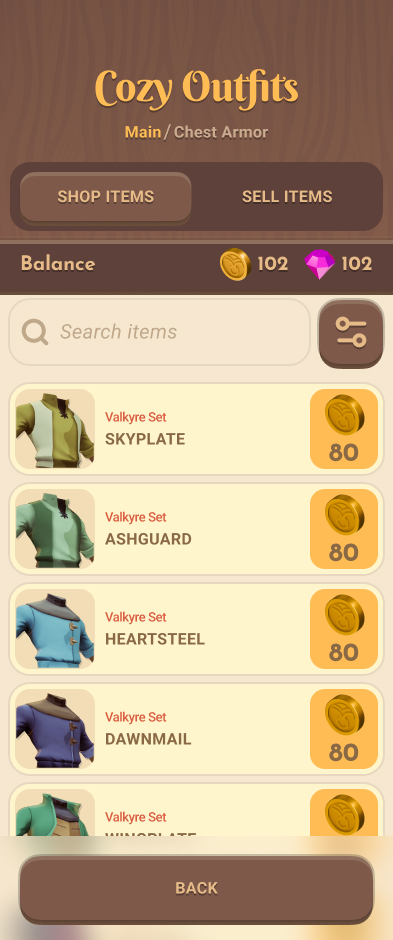
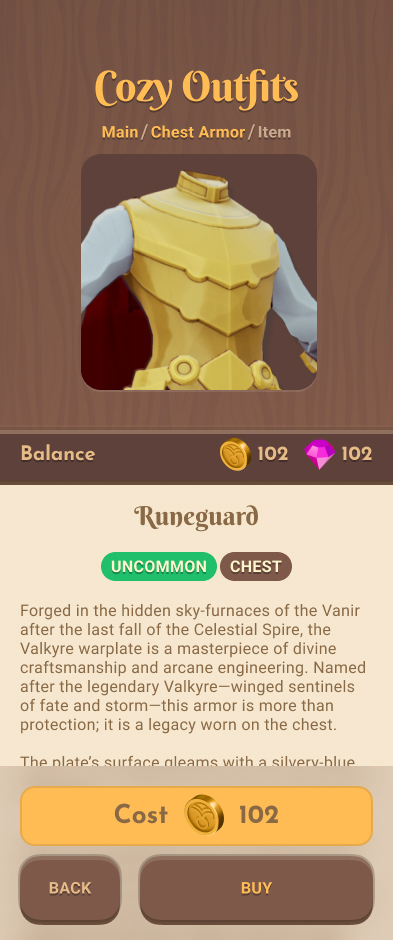
Every store shares one shell: a Shop/Sell toggle, a category list, and an item detail screen with lore text and a Buy button. Two currencies run underneath it all: Gold earned by playing, and Diamonds bought with real money through a separate bundle shop.

Cozy Outfits shop with categories for chest armor, gloves, helmets, legs, shoulders, and armor sets Chest armor list with item names, set names, and gold prices Chest armor item detail with lore text, cost, and Buy button

—

In-Engine UI Tests

In-Engine UI testsA later build, running live on a physical device — further along than the Figma concepts above.
—

What this demonstrates

The throughline is the same one as Big Time, applied to a much gentler game: reuse a small set of shapes — a pick list, a detail card, a time-gated commit panel, a reward card — across every system instead of designing Farming, Fishing, Incubation, and the Shop as four separate features. A player who's hatched one egg already knows how to read a harvest; a player who's bought one chestpiece already knows how to read a pet. These are still early concept screens, but the pattern is the part I wanted to get right first.

Next projects